
High Rail Ultrasonic Testing System (HRX-UT)
OEM-Integrated Ultrasonic Testing System for Road–Rail Vehicles
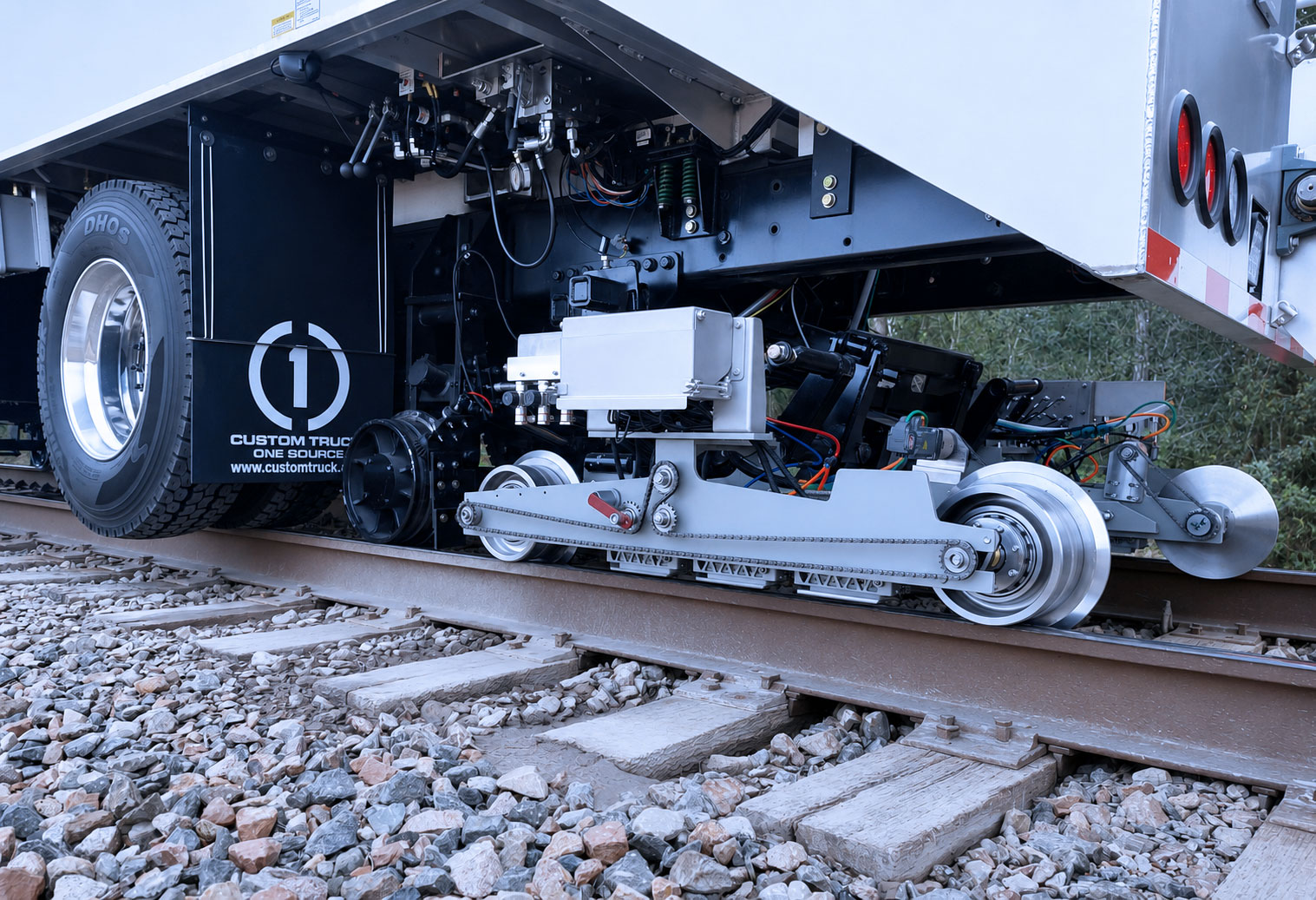
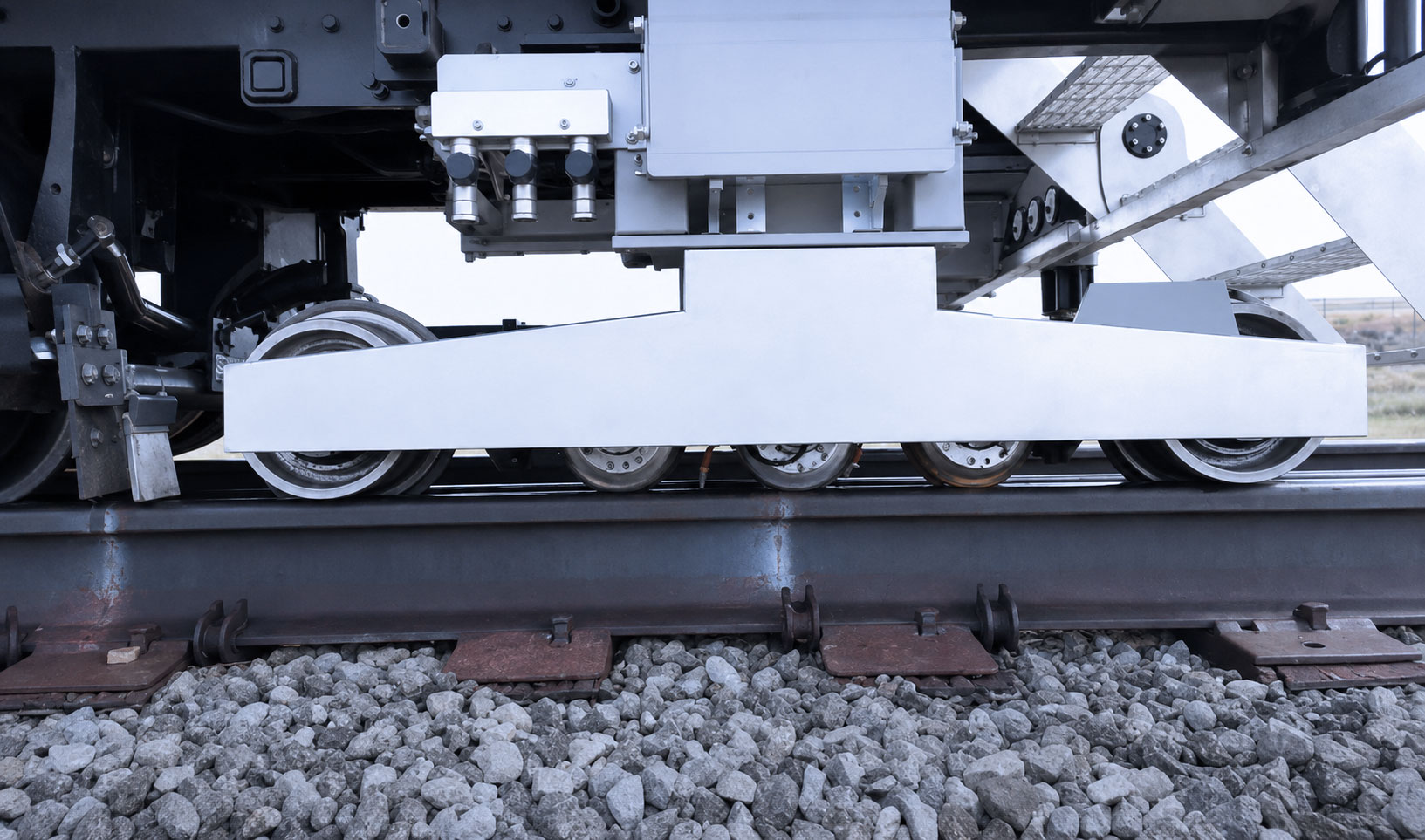
The HRX-UT is a compact ultrasonic rail testing system designed for integration on road–rail (Hi-Rail) maintenance vehicles. Engineered as an OEM solution, it adapts to the host vehicle’s mechanical, electrical, and operational interfaces while providing reliable rail defect detection during routine maintenance and inspection activities.
Key Features
- OEM integration for road–rail vehicles
- Up to 22 ultrasonic channels
- RSU or SLED scanning configurations
- Real-time defect detection and visualization
- Compact vehicle-adapted architecture
- Minimal modification to host vehicle
- Suitable for inspection and maintenance operations
RSU Wheel-Based Scanning
- Rolling probe inspection concept
- Continuous operation
- Reduced dependency on rail surface conditions
- Improved inspection productivity
SLED Contact Scanning
- Direct-contact ultrasonic inspection
- Stable acoustic coupling
- High inspection sensitivity
- Ideal for detailed inspection applications
Data Acquisition and Analysis
- Real-time signal processing
- Defect visualization and evaluation
- Position-based defect localization
- Online and offline data analysis
- Export to reporting and maintenance systems
The TrackMaster
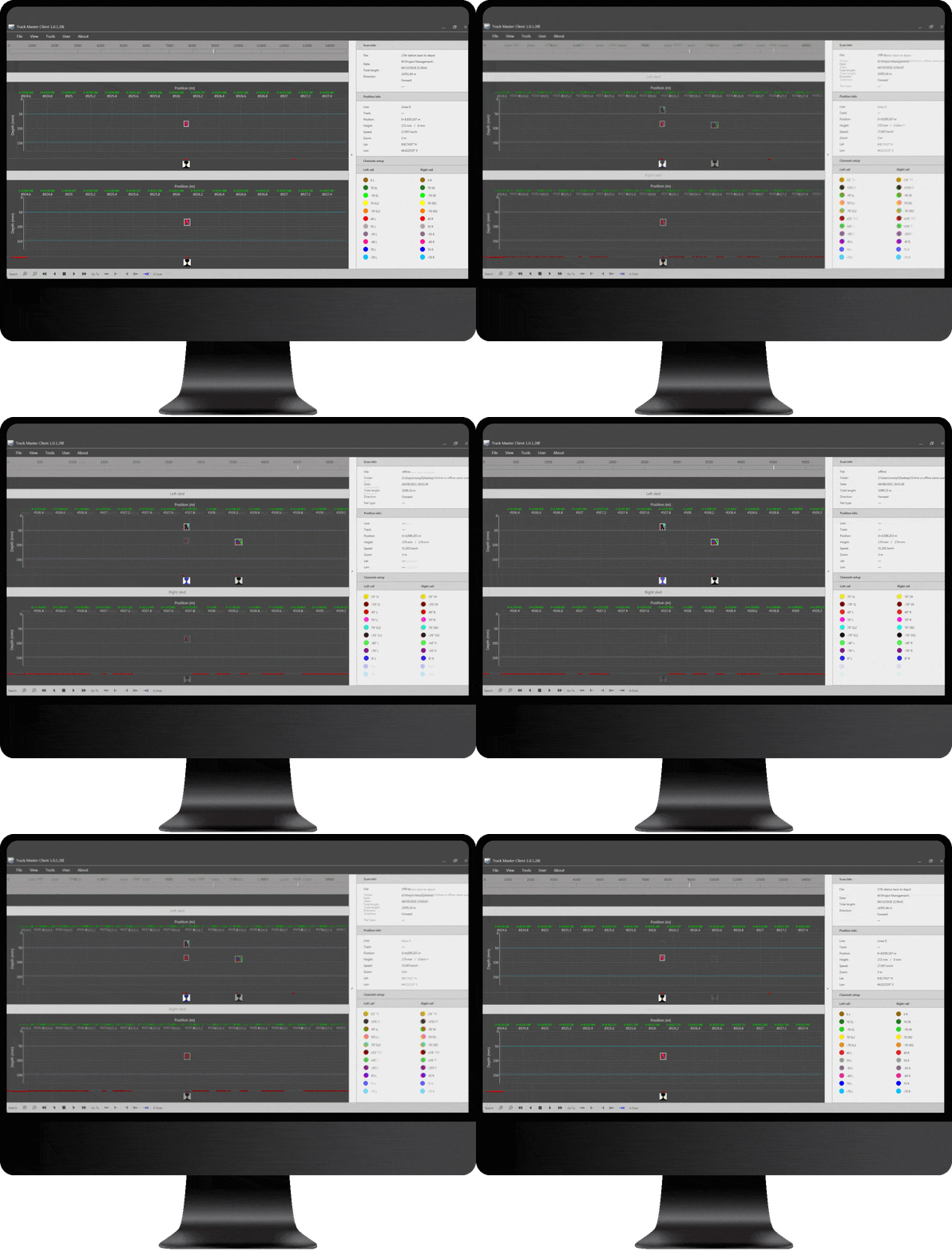
The UR-UT is delivered with integrated TrackMaster software, a complete package for data collection, presentation and analysis. The software covers all phases of system operation, from configuration and inspection to post-processing. Data can be processed in both offline and online modes. In addition, data records can be used to establish a baseline for comparative periodic monitoring of rail conditions.
The analysis function is used to identify and categorize flaws in a scan. It is based on a defect finder algorithm with an integrated noise reduction algorithm or/and an integrated AI/Fuzzy Logic algorithm. Using this analysis features eliminates the need for specially trained personnel and reduces the total cost of system usage.
The analysis module enables the issue of a report containing a list of all suspected flaws, their locations in the scanned track and the distance from the nearest reference points.
This report is useful to the repair teams responsible for locating detected flaws on the relevant section of rail and performing required maintenance operations.
What is ultrasonic testing of rails
Ultrasonic testing of rails is a non-destructive testing (NDT) method that uses high-frequency sound waves to detect defects in the interior of rails. The sound waves are transmitted into the rail and reflected back if they encounter a defect. The reflected sound waves are then analyzed to determine the size, location, and nature of the defect.
Ultrasonic testing is a very effective method for detecting defects in rails, such as cracks, voids, and inclusions. It is also a relatively safe and quick method, making it ideal for inspecting large lengths of rail.
Ultrasonic testing of rails is typically performed using a portable ultrasonic testing device. The device is equipped with a transducer that generates the sound waves and a receiver that detects the reflected sound waves. The transducer is placed on the surface of the rail and the sound waves are transmitted into the rail. The receiver then collects the reflected sound waves and sends them to the device’s computer for analysis.
The computer software analyzes the reflected sound waves to determine the size, location, and type of the defect. The software can also create an image of the defect, which can be used to plan repairs.
Ultrasonic testing of rails is an essential NDT method for ensuring the safety of railway tracks. By detecting defects in rails before they cause a failure, ultrasonic testing can help to prevent derailments and other accidents.